A senior colleague in European public health tells me, “Public health is currently off the agenda not only in the US but also in Europe because all countries have forgotten the pandemic and are now in ‘war’ mode. This status is even more heightened by the ongoing events in the Middle East.”
It is to state the obvious that war is bad for health, but we must keep restating the many ways in which war impacts the public’s health. In 2024 there was a sharp upturn in the number of conflicts in the world; despite a slight reduction in fatalities, attacks on civilian populations have increased with the inevitable consequence of displacement and migration. We must keep impressing on our politicians the need for strong public health resources for preparedness for all risks to protect against the direct physical and mental health harms of conflict and the environmental, infectious, and healthcare consequences. Ultimately though, the only way to health is to prevent war. There is no health without peace.
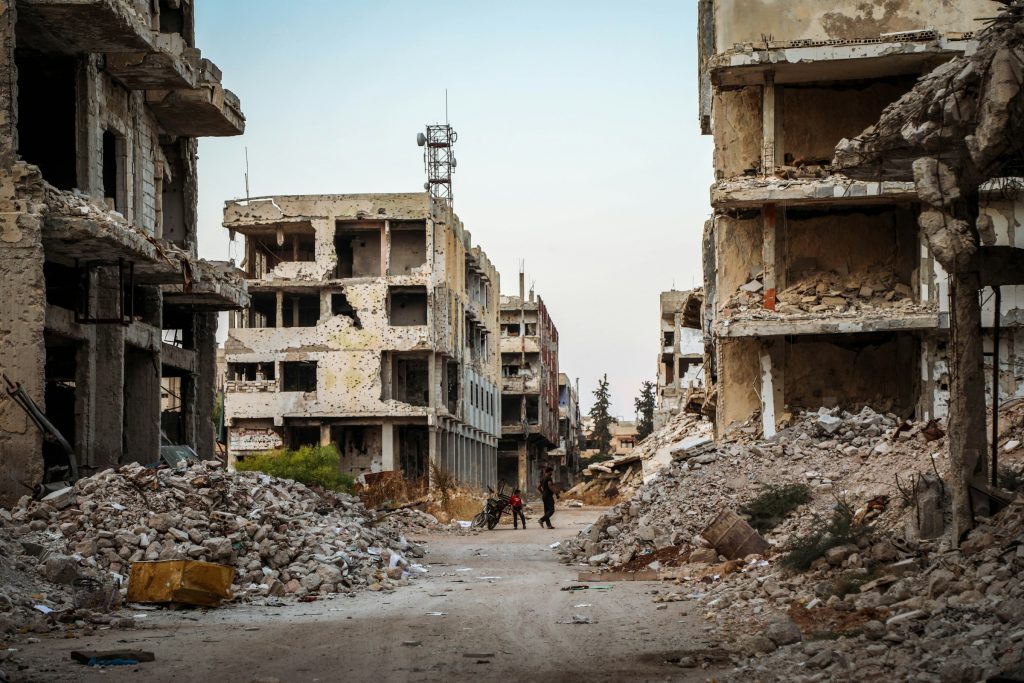
Decision makers cannot “move on to war mode”, forgetting public health. Without a strong, well-resourced public health community at global and local levels, equipped and prepared to combat the health and environmental harms of war, there will only be greater damage to the health of people and planet.
The current war in the Middle East is littered with conflicting and contradictory objectives. There is little to suggest there is planning to win the peace. Lessons of two Gulf Wars have gone unlearned… There is little evidence of preparedness for the consequences of this war. Much worse, global leaders show little sign, generally, that they are prepared for the existential threats of all risks faced by people and planet: environmental, economic, climatic, health, and social…
The landscape for political decision-making at present is littered with conflicts of interest, fueled by personal greed. Decision-making is incompetent, incomplete, ill-informed, and lacking in an evidence base, whether from public health or political science. It is calculated to inspire awe, fear, and uncertainty. It monetizes rage. And it renders the public powerless, malleable, and bewildered. The visible indicator of the effect of the policy and social media environment is the anxiety and depression we are seeing recorded in the Global Burden of Disease. It is natural in these circumstances to feel hopeless, to feel there is nothing we can do.
The public health community may feel that, too, but we must hold for our vision of a better, peaceful, healthier world.
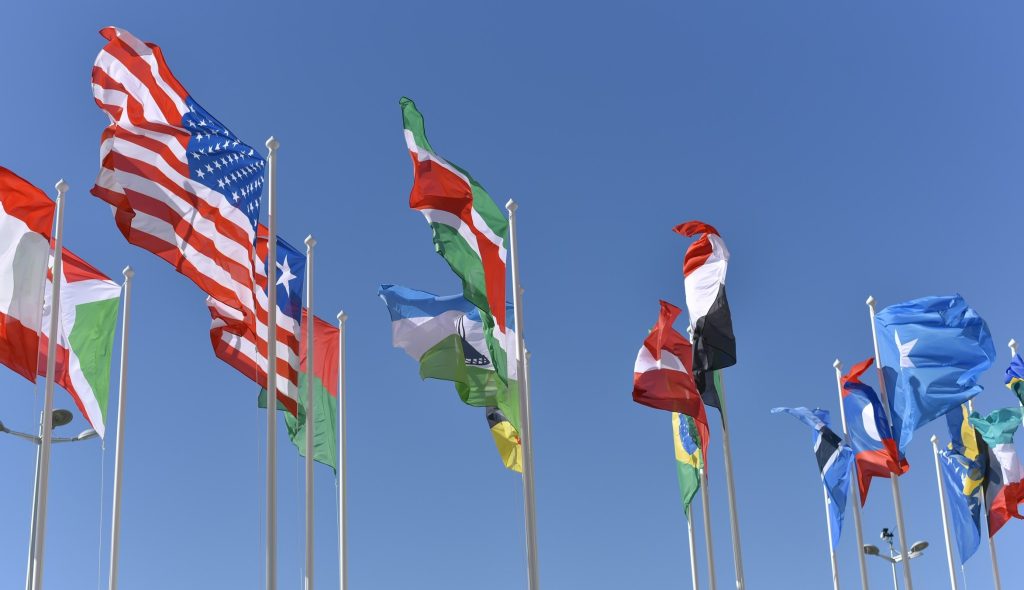
The latest world events reinforce the need for more global and international governance and action, more professionalism and more ethical practice in public health to save lives and protect health. The current situation must be the last example of might is right, and rule on the whims of powerful old men; they are dinosaurs, backed by big fossil fuel, big tech, and religious fanaticism. The latest conflict – the increased global risk of nuclear war – and the latest developments on AI and robotic slaughter, demand more coordinated global safeguards and action, not fewer. More than ever, we need rules-based behaviour between countries, and robust global organisations to uphold them. We also need global organisations which can tackle and control the existential threats we face, climate breakdown, grotesque income inequality, arms control and AI proliferation ….
This year marks the 40th anniversary of the UN International Year of Peace. Peace is the best medicine in these turbulent times.
The opinions expressed in this post are solely those of the author and do not necessarily represent the views of GNAPH or its members.