
A Climate of Despair? A Climate of Hope?
Migration and health – a tsunami of mass destitution and disease, and a backlash of repressive politics
In November, I made presentations on migration and health for the APACPH congress in Thailand, November 7th, and the European Schools of Public Health (ASPHER) meeting at Poznan, Poland, November 24th. Congratulations to Poznan Faculty of Health Sciences, on the occasion of their 50th birthday.
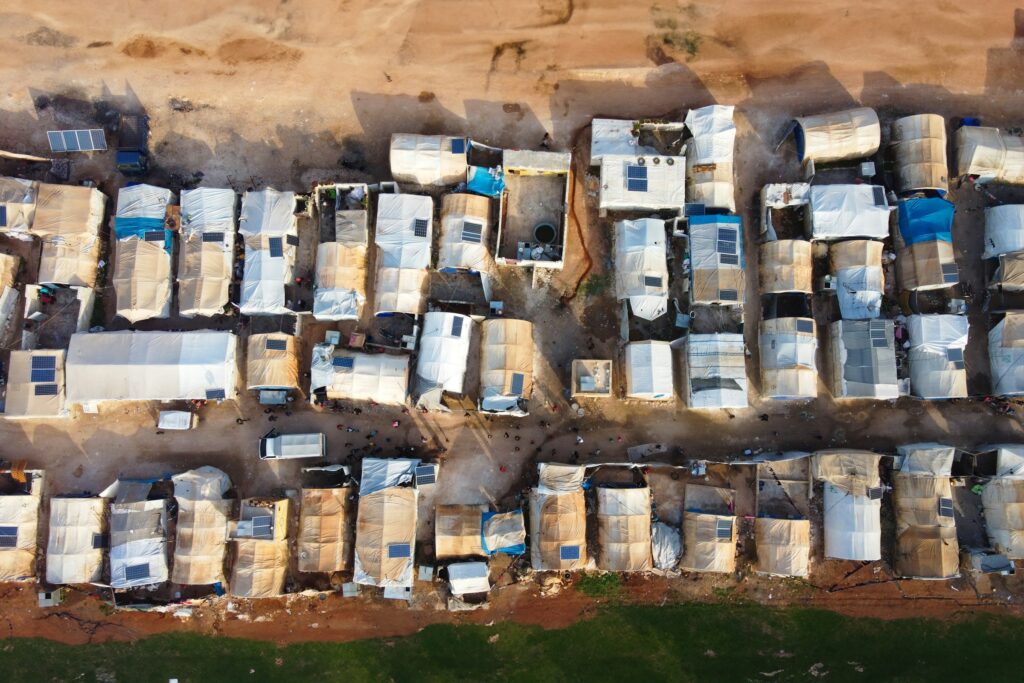
Photo by Salah Darwish on Unsplash
In researching migration and health, I have been hit by the enormity of migration issues the global community is faced with. According to data from the UN Refugee Agency (UNHCR), the number of refugees and displaced people stands at a 117.3 million in mid-2025. Many parts of the world are reeling under the weight of supporting the humanitarian needs of displaced people – with some of the poorest nations shouldering the biggest burden. Still more countries – often those with greater wealth and better positioned to offer support and aid – are seeing the rise of anti-migrant sentiment, as someone must be blamed for the lack of improvement in the lives and health of the poorest people. As a public health community we need to be mindful of geopolitical forces which are pitting the poor against minorities – especially migrants – and damaging health. We need to ensure that we uphold our ethical mandate to secure the best health we can for the people we serve, in this case, refugees and displaced people. We also need to prepare ourselves for things getting much worse with the spectre of epidemic cruelty from many of our governments. If we think things are bad now, we are not even counting or acknowledging climate refugees in global agreements.
Climate disaster – the tsunami of migrants
1.2 billion people are at risk of being refugees from climate disaster, sea level rise, fires, floods, deforestation, and crop failure by 2050 in addition to those who will be caught up in conflicts over natural resources such as water, minerals, and fossil fuel. All of these require concerted international action.
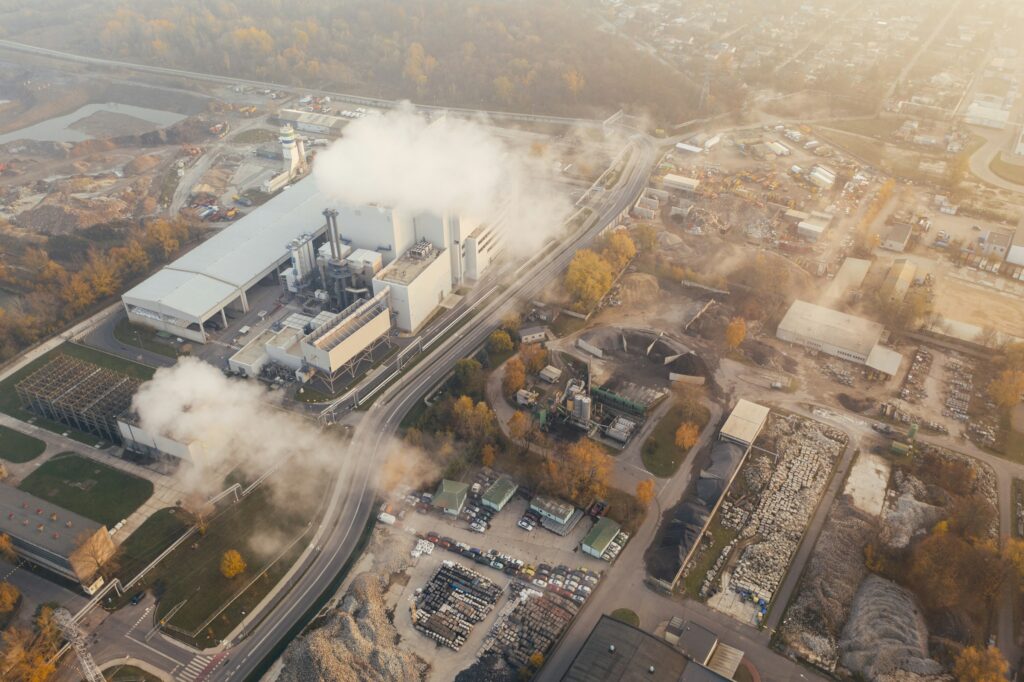
Photo by Marcin Jozwiak on Unsplash
COP30 – one cheer for protecting health?
The Lancet Countdown report for 2025 details the immense challenges for the global health community and the World’s leaders. Did we see the world’s leaders arise to that challenge at COP30, just finished in Belem, Brazil? The answer must be no – the final statement failed to mention fossil fuel as the principal driver of climate breakdown, at the behest of Russia and Saudi Arabia, with support from 100 other countries, and no doubt, the 1600 fossil fuel lobbyists at the meeting. There were some new voluntary investments and pledges – that sound big, but really aren’t: A commitment to mobilize USD 1.3 trillion annually by 2035 for climate action; plans to double adaptation finance by 2025 and triple it by 2035, and technical progress on tools, indicators and reporting processes.
The health community is gaining traction at the COP – the Wellcome WHO Health Pavilion featured a stunning array of presentations of a wide range of impacts of climate change on health – and some of GNAPH’s members were presenters and organisers in this work, including Fiocruz, Harvard T Chan, London School of Hygiene and the UK Faculty of Public Health. We commend them for their commitment and their expertise; the impacts of climate on heath must be much more widely understood, and the global community needs to react if we are to avoid catastrophic climate migration by 2050, when the political reaction and turmoil unleashed will be exponential and apocalyptic.
The COP outcome text explicitly acknowledged the direct health benefits of reducing emissions, signaling a long-overdue recognition that climate action is fundamentally about protecting lives, preventing disease, and ensuring health and well-being. The Belem Health Action Plan, however, was endorsed by only 10% of countries.
And brilliant work by colleagues growing the ‘climate classroom’!
Also, in this busy month on climate, the magnificent Climate-Ready Classroom series of webinars reached its conclusion. This course was co-organised by the Global Consortium for Climate Change and Health Education (GCCHE) and GNAPH, furthering our growing partnership which has staged six webinar series in WHO regions around the world so far. The current program was geared towards giving faculty members the tools and knowledge to be confident in delivering climate health education programmes. The next stage will be to develop the communities of practice to support this work by our regional members. Congratulations and thanks to everyone involved in staging this outstanding work and looking forward to the next phase of developing communities of practice in our member regions. I commend and congratulate everyone who has been involved in this ambitious, expert, and vital work! Well done all!
I wish all of you success in your ventures on behalf of the health of the public and planet. There has never been a more necessary time to be working in public health, nor a more difficult time.
We must all support each other! Solidarnosi!
The opinions expressed in this post are solely those of the author and do not necessarily represent the views of GNAPH or its members.