A Climate of Despair? A Climate of Hope?
Hate less, do more: Climate despair, epidemic anxiety, epidemic hatred and the need for a new public mental health in the age of disinformation
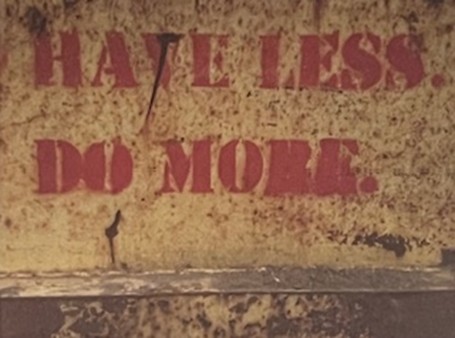
Photo credit: John Middleton
Climate despair – and how to respond?
Friends, colleagues, defenders of health! The phenomenon of climate despair is being more widely reported, along with stories of how to resist it.
Some of ‘Generation Dread’ are facing up to this 21st existential threat but the big global measures of mental distress are telling us things are getting worse… Mental ill health is manifesting in ever-increasing numbers and ever-widening manifestations. In my report of the Global Burden of disease 2023 launch, I set out some of the toll of mental ill-health, particularly for young people, including anxiety and depression increasing death and disability by 63% and 26%, respectively. Of particular concern in the GBD is the alarming findings in relation to the surge of mental health problems as a cause of increasing years lived with disability – especially for adolescents. Overall, mental disorders are the leading cause of non-fatal disease burden globally. The age of onset for most mental disorders peaks around 15 years, underscoring adolescence as a critical period for intervention.
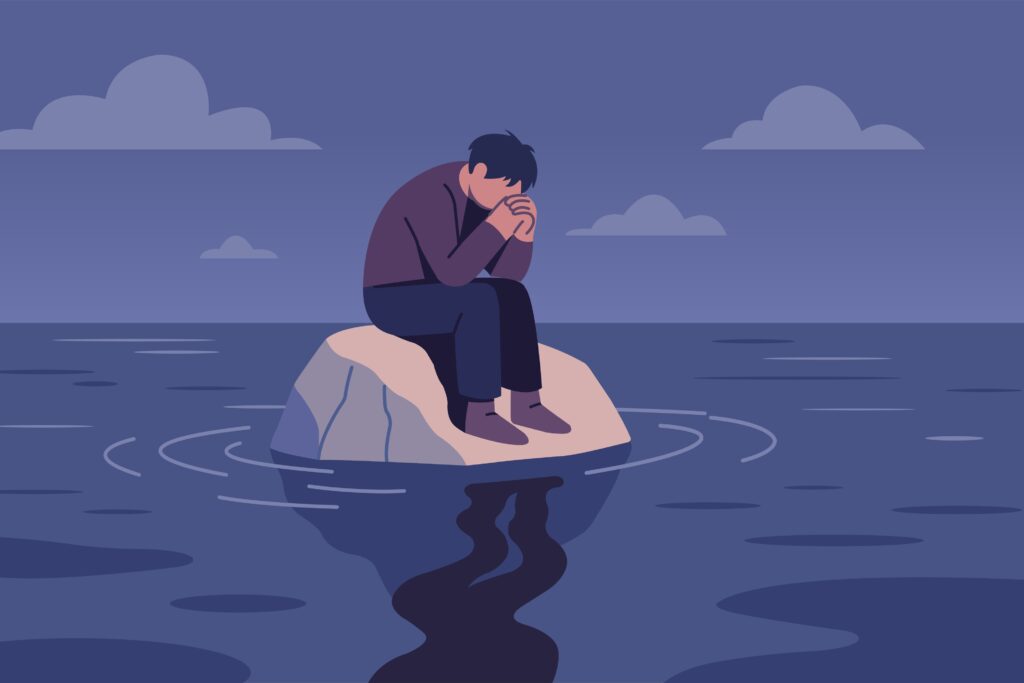
The Gallup World Emotional Health report also published in October, shows 39% of adults worldwide reported experiencing a lot of worry the previous day and 37% reported experiencing a lot of stress the previous day. Fewer said they experienced daily physical pain (32%), sadness (26%), and anger (22%). But all measures are higher than they were a decade ago.
The key-measured-drivers of the increased mental health disability burden in adolescents recorded in the GBD are primarily sexual abuse and bullying, intimate partner violence, environmental toxins like lead, and the multifaceted indirect impacts of the COVID-19 pandemic.
In November I was in discussion with Jonathan Campion, Lead for the World Federation of Public Health Associations (WFPHA) on Public Mental Health, and we spoke on these and other issues relating to the poor state of global public health. I am grateful to Jonathan for stimulating my thinking on this and crystalizing some of my thoughts.
But there is much about public mental health that is not measured.
For me, public mental health is not ‘simply the absence of medically-defined mental illnesses’; it is the presence of the ‘positive mental health’ attributes we describe which make for individuals and societies to feel well, and relate healthily to each other- so it is about confidence, self-worth, love for self and others, compassion, empathy, having the ability to express one’s needs without resorting to violence or falling into addiction, having the ability to negotiate with others without distress or frustration, building the necessary compromises of life, and building trust. All these things make for healthier people and healthier communities. Many of these attributes are formed in the first 1001 days of early childhood development.
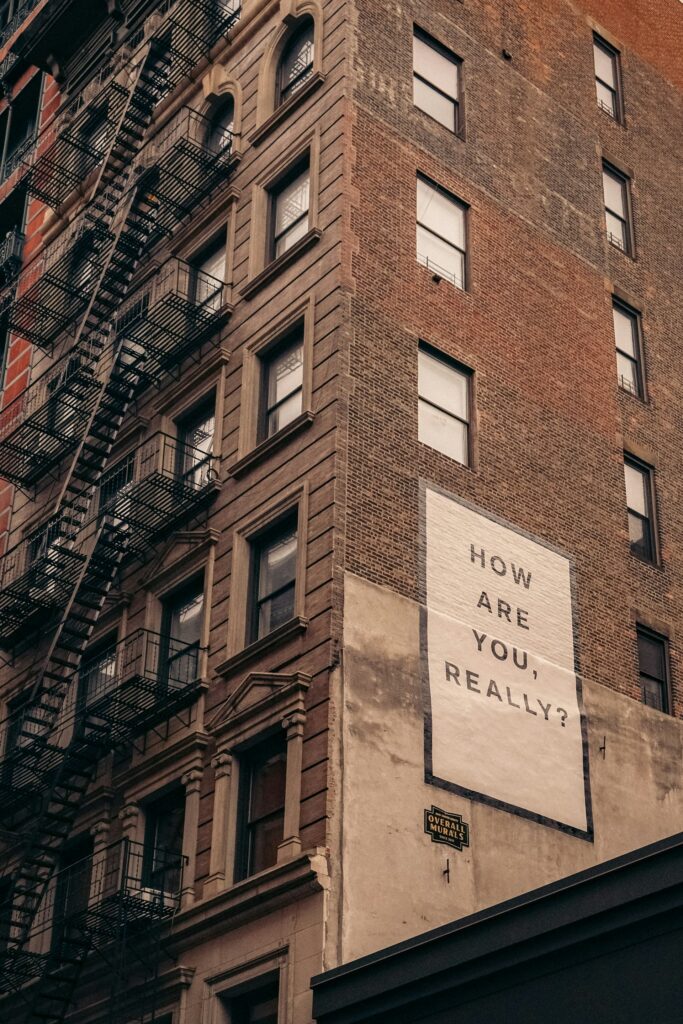
The confluence of epidemiological, sociological and neurobiological research is showing us just how vital this development period is, for sound mental health throughout life. We are beginning to understand what causes wellness. The Adverse Childhood Experiences (ACES) research is also compelling and has led to the trauma-informed approach to health, social care and law enforcement. ACEs impact physical and mental health, addictions, obesity, abuse and violence, and non-communicable diseases throughout life. It is vital that our governmental systems give more attention to this vital period in people’s lives. It is also vital that our schools of public health give greater priority to childhood development and its impact on public health and public mental health.
Mental distress is understandable and inevitable in the context of the uncertain and unstable world in which young people are growing to adulthood, where they see no hope for their own future. There is a widespread lack of meaning, and purpose.
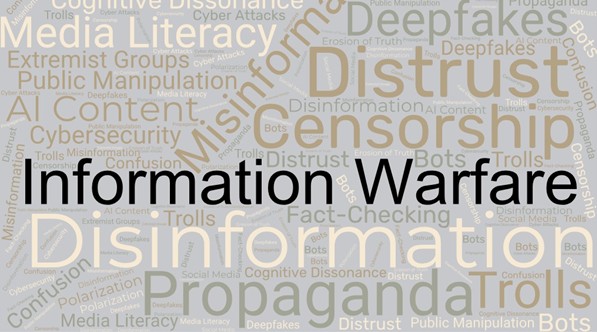
The information revolution has brought many new and exciting opportunities for knowledge, and for improving health. Ironically, however, it has accelerated ignorance and misunderstanding. Conspiracy theories and deadly opinions latch easily on to uncritical and susceptible personalities and are propelled around the world too fast for fact checking and rational argument to combat. People are consigned into heightened isolation, losing their capacity to concentrate, and think critically. They don’t know what to believe any more. They are understandably distrusting of authorities and of professionals and experts, but it is a distrust, grown by autocrats insidiously and unrecognised. People are being manipulated to keep them passive, uncritical, undemanding, and to be kept in a permanent state of unease, fear, indecision, hesitancy, whether it is about vaccines, or about who to vote for. This is only the disinformation environmental of troll farms and bots – the first generation of corruption in the information revolution, if you will; the new world is one of deep fake, where AI can be used to create electioneering scams, where your future work chances are at risk, and you can be rendered naked in public.
And the information revolution is increasingly being turned to an epidemic of rage. Hatred is probably the most poisonous and infectious of public mental distress. The public health community still has a long way to go to catch up with the harmful effects of the disinformation era. The battle against the troll farms, the bots, the industrial disinformation is a battle which will determine whether public health knowledge and the chance to improve lives for millions will be lost or won…Somewhere and somehow, we need to help people to re-learn compassion, to desert the culture wars, to reject destructive urges and regain purpose and positive meaning in their lives.
I wish all our members, colleagues and partners, success in your ventures on behalf of the health of the public and planet. There has never been a more necessary time to be working in public health, and no more difficult a time.
We must all support each other! Solidarnosi! And my very best wishes for you, your families, your colleagues and your communities for a brighter, hopeful and healthier New Year 2026.
The opinions expressed in this post are solely those of the author and do not necessarily represent the views of GNAPH or its members.