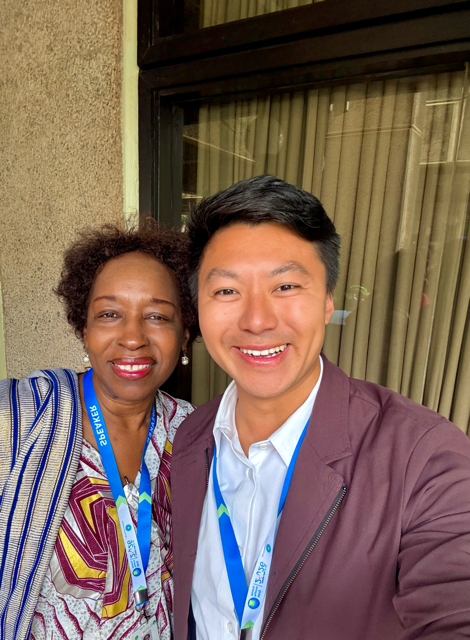
By Brian Li Han Wong and Margaret Kaseje
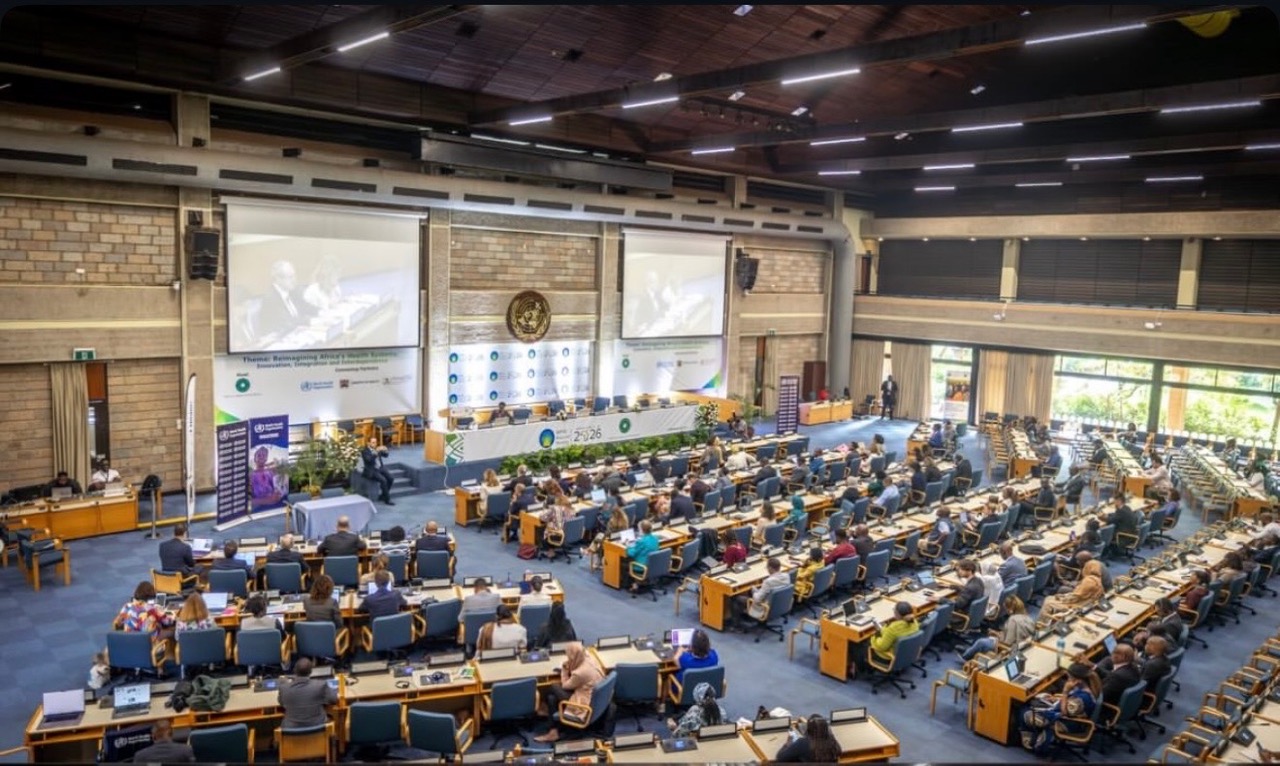
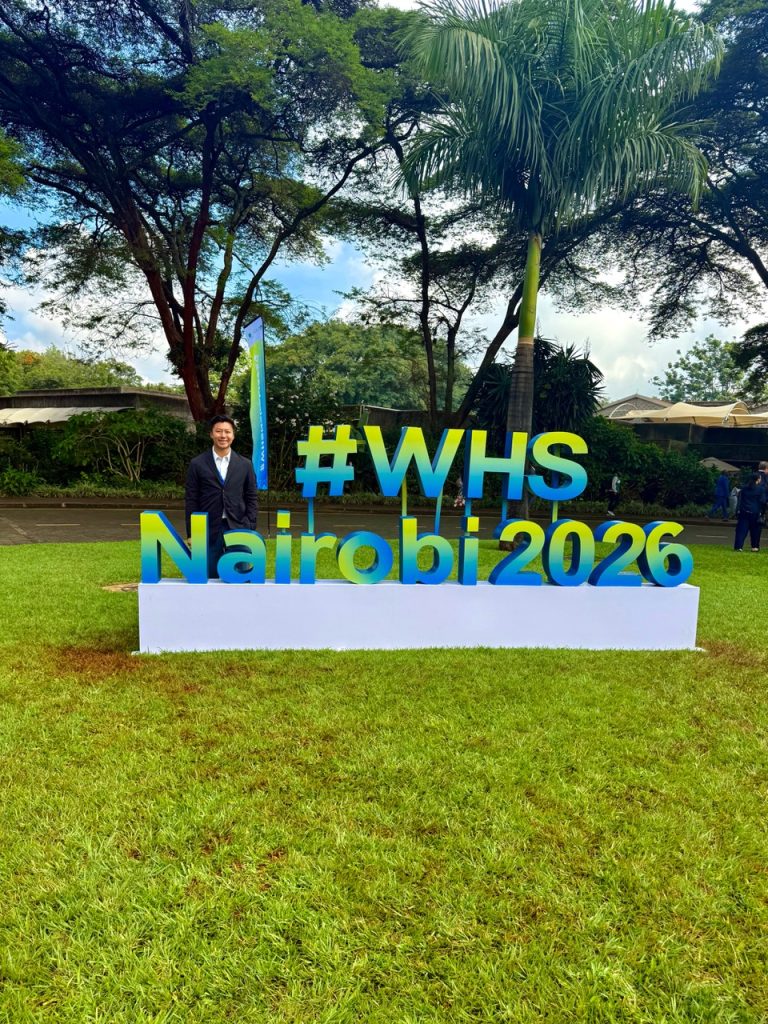
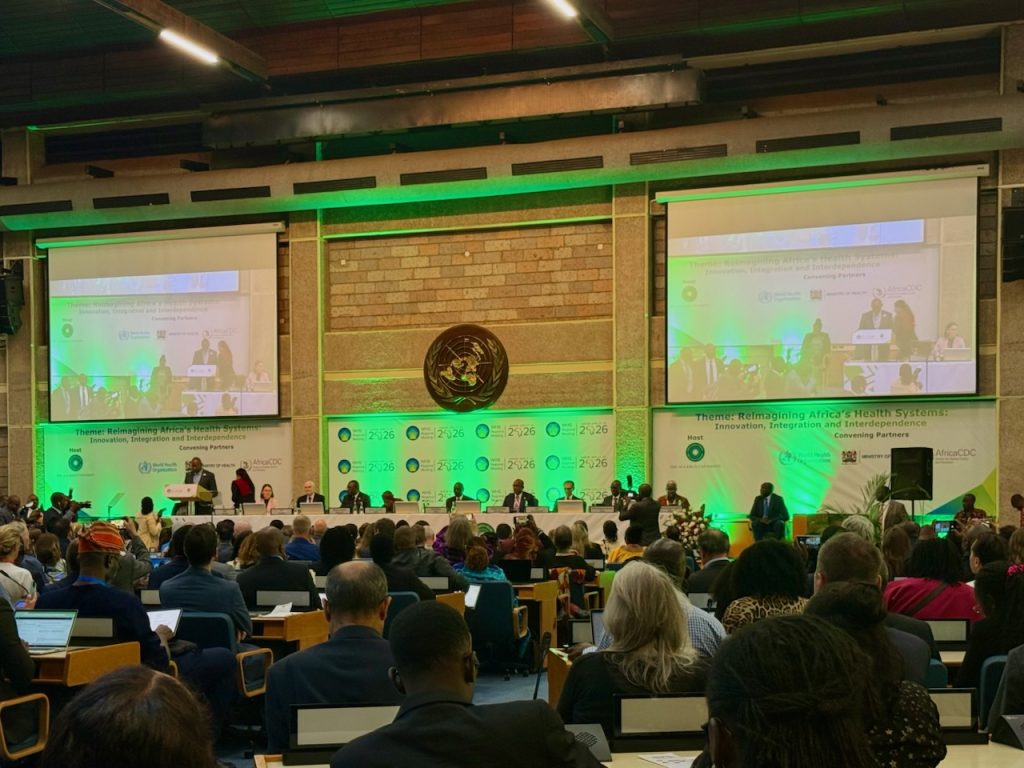
In late April, the World Health Summit held its Regional Meeting at the United Nations Office at Nairobi. The theme, “Reimagining Africa’s Health Systems: Innovation, Integration, and Interdependence,” was ambitious. But what made Nairobi distinctive was not the theme itself — it was who was in the room, and which questions they were asking.
Over three days, more than 2,500 participants from across the continent and beyond debated financing, governance, vaccine manufacturing, primary health care, and the growing double burden of communicable and non-communicable diseases. Ministers sat alongside community health workers. Researchers shared platforms with regulators. Young professionals challenged assumptions that have gone unquestioned for too long.
For those of us working in academic public health — and for one of us attending as part of the delegation of the Accra Reset Initiative — the meeting surfaced several messages that deserve attention from our community.
The workforce question is no longer a side conversation
Every major session at WHS Nairobi eventually came back to the same point: Africa’s health systems cannot be reimagined without reimagining the people who run them. The continent faces a health workforce shortage estimated at over 6 million professionals, and the gap is growing. But the conversation in Nairobi went beyond numbers. Delegates pushed on what kind of workforce is needed — not just more doctors and nurses, but epidemiologists who can work across sectors, health economists who understand fiscal policy, regulatory scientists who can support local manufacturing, and community health workers who are trained, paid, and integrated into national systems rather than treated as volunteer labour.
The need to address curriculum gaps and interdisciplinary training is a direct challenge to schools and programmes of public health across Africa and globally. Are our curricula preparing graduates for the health systems that exist — and the ones that are coming? Are we teaching the political economy of health reform, not just the technical content? Are we equipping students to engage with finance ministries, trade negotiations, and industrial policy — the spaces where many of the most consequential health decisions are actually made?
ASPHA’s member institutions are already responding. Schools of public health across the continent played critical roles during the COVID-19 pandemic — supporting national task forces, synthesising evidence, and training frontline responders. But the post-pandemic landscape demands more. The emerging agenda around health sovereignty, regional vaccine manufacturing, and regulatory harmonisation requires competencies that cut across traditional disciplinary boundaries.
Health sovereignty is an education agenda, not just an industrial one
One of the most energising threads at WHS Nairobi was the discussion around regional vaccine manufacturing and health sovereignty more broadly. The data is sobering: Africa currently produces barely 1% of the vaccines it consumes. Initiatives like the Regionalised Vaccine Manufacturing Collaborative (RVMC) are working to change that, but manufacturing capacity alone is insufficient. Sustainable health value chains require regulatory scientists, quality assurance professionals, supply chain specialists, and health economists who understand market shaping — and right now, many of these skills are trained outside the continent.
This is where academic public health has a direct contribution to make. If Africa is to build sovereign health economies — treating the health value chain as an engine of economic development and job creation, not just a supply problem — then the training pipeline must be built in parallel. GNAPH’s work with WHO on competency frameworks for essential public health functions provides a foundation, but the framework needs to be extended to cover the industrial and regulatory dimensions of health sovereignty that are now central to the policy agenda.
Young professionals are not waiting for permission
One of the most striking features of WHS Nairobi was the presence and energy of early-career professionals. During the breakfast meeting on health diplomacy, hosted by the Partnership
for International Politics and Diplomacy for Health and Global Health Otherwise Media, the questions from young professionals were sharp and practical: How do you actually influence a policy process? How do you navigate institutional politics? How do you build a career in a system that is being redesigned around you?
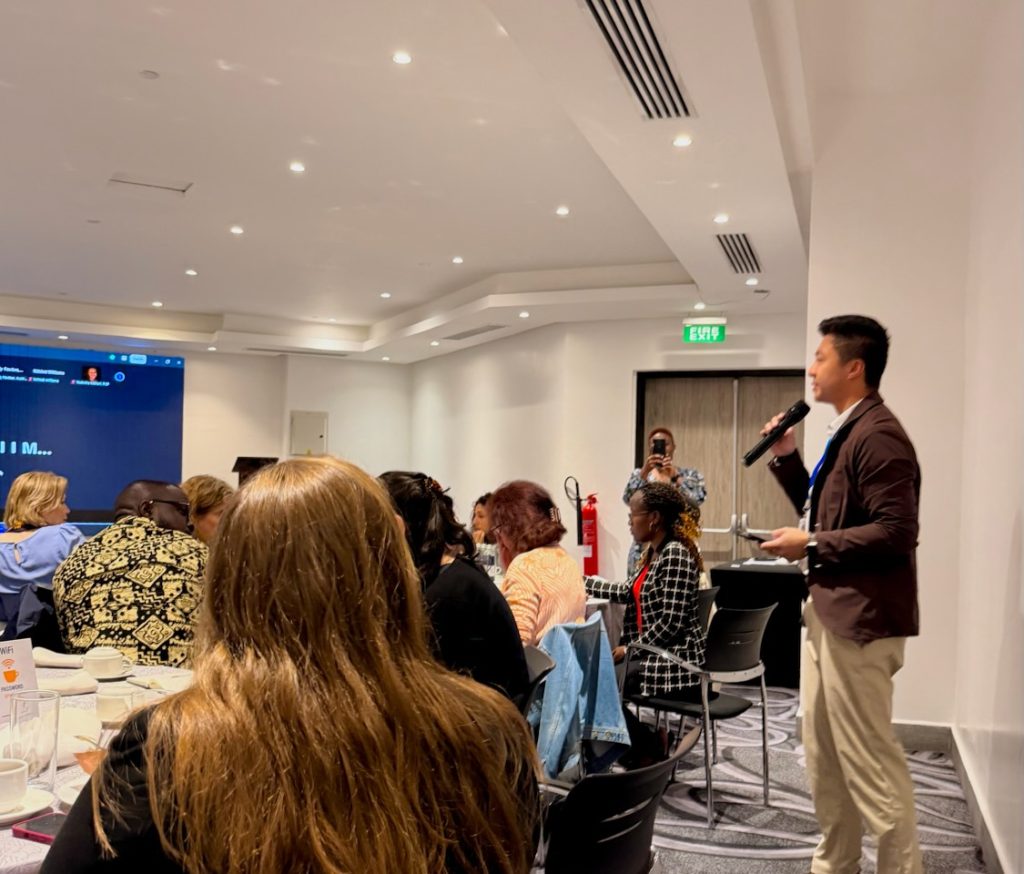
These are not questions that most public health programmes teach. Health diplomacy, political analysis, negotiation, and strategic communication remain largely absent from curricula — treated as “soft skills” rather than core competencies. Yet as the discussions in Nairobi made clear, the ability to translate evidence into political will is often the binding constraint on whether reform happens. If academic public health is serious about preparing the next generation of health leaders, these skills need to move from the margins to the centre of what we teach.
From dialogue to action — what comes next
The Nairobi meeting reinforced a point that both of us have encountered in our respective work: the gap between what is discussed at global convenings and what changes in practice remains too wide. The Accra Reset Initiative, through its High-Level Panel on Reform of the Global Health Architecture, is working to close that gap by connecting technical recommendations to political commitments at the head-of-state level. ASPHA and the broader GNAPH community can play a complementary role — ensuring that the training institutions which produce the next generation of health leaders are aligned with the reform agenda, not running in parallel to it.
Concretely, this means three things. First, schools of public health should engage actively with the policy processes underway — including the Accra Reset, the Lusaka Agenda, and WHO reform — not as observers but as contributors of evidence and talent. Second, curricula need to evolve to reflect the interdisciplinary demands of health system transformation: health economics, regulatory science, political economy, and diplomacy alongside the traditional public health disciplines. Third, the pipeline of young African professionals entering global health leadership needs deliberate investment — through mentorship, placement programmes, and research opportunities that connect academic institutions to the reform processes shaping the next era of global health.
The WHS will return to Berlin in October. But for those of us who were in Nairobi, the more important question is not what happens at the next summit — it is what happens between them.
Brian Li Han Wong is Senior Coordinator & Strategic Advisor for the Secretariat of the Accra Reset Initiative’s High-Level Panel on Reform of the Global Health Architecture and Governance. Margaret Kaseje is President of the Association of Schools of Public Health in Africa (ASPHA) and Professor of Health Policy at the Tropical Institute of Community Health and Development in Kenya.